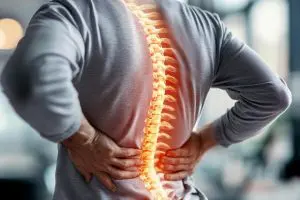
Period pain can be easy to dismiss as “just part of being a woman”, but when cramps, lower back pain, fatigue or mood changes start affecting your work, sleep, exercise, or daily life, it is worth looking a little deeper.
Many women searching for a chiropractor for period pain are not simply looking to mask the discomfort. They are looking for a more natural way to understand what their body is communicating.
Period pain can be influenced by several factors, including uterine contractions, inflammation, stress, muscular tension, and the way the nervous system processes pain. While chiropractic care is not a treatment for every menstrual condition, supporting healthy movement, reducing musculoskeletal tension and improving nervous system adaptability may form part of a broader approach to wellbeing.
So, what is the connection between your nervous system, PMS and painful periods? Let’s explore it.
What Causes Painful Periods?
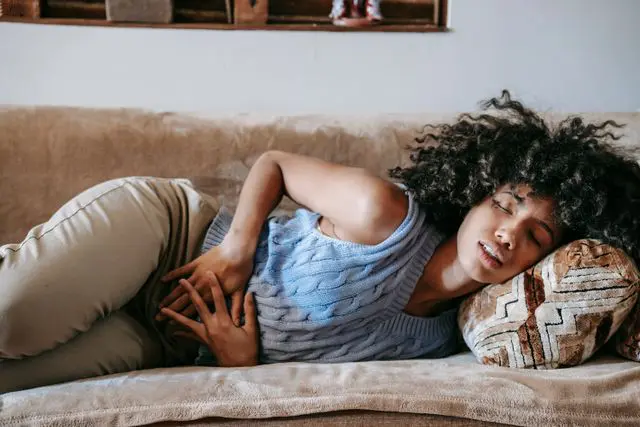
Period pain, also known as dysmenorrhoea, is commonly caused by contractions of the uterus during menstruation. These contractions are influenced by natural chemical messengers called prostaglandins, which can increase cramping and discomfort.
For some women, the pain is mild. For others, it can become severe enough to interrupt work, exercise, sleep or normal daily activities. Stress, poor recovery, muscle tension and increased pain sensitivity may also influence how strongly these symptoms are experienced.
Pain around your period can also be felt through the lower back, hips and pelvic region, which is one reason some women look for additional support with movement and musculoskeletal tension.
It is also important to remember that severe or worsening period pain can sometimes be linked with conditions such as endometriosis, adenomyosis or fibroids. If your pain is intense, changing or affecting your quality of life, further medical assessment may be appropriate.
The Nervous System and Your Menstrual Cycle
Your menstrual cycle does not happen in isolation. Your brain, hormones, muscles and nervous system are constantly communicating with one another, influencing how your body responds to stress, pain and recovery.
The autonomic nervous system plays an important role in this process. Its sympathetic branch helps your body respond to stress, while the parasympathetic branch supports rest, recovery and restoration.
When stress is ongoing, the body may remain in a heightened state of tension. This can influence muscle tone, sleep, pain sensitivity and the way symptoms are experienced around your cycle. For some women, that can mean cramps, back tension, headaches or PMS symptoms feel more intense.
This is where the connection between the nervous system and PMS becomes especially important. Supporting a more adaptable nervous system does not mean “fixing hormones”, but it may help the body respond to everyday physical and emotional stress with greater resilience.
Can Stress Make Period Pain and PMS Worse?
Stress does more than affect how you feel emotionally. It can also influence sleep, muscle tension, digestion, recovery and the way your nervous system processes pain.
When life feels constantly “switched on” through work pressure, poor sleep, parenting, emotional stress or overtraining, the body may spend more time in a heightened stress response. For some women, this can make symptoms around their cycle feel harder to manage.
PMS may include headaches, irritability, fatigue, bloating, back tension and changes in sleep or mood. While stress is not the only cause of these symptoms, it can add another layer of strain to an already sensitive time of the month.
This is why approaches that support recovery, movement, relaxation and nervous system adaptability can be valuable. Chiropractic for PMS should not be viewed as a way to switch symptoms off, but as one part of a broader strategy to help the body cope more effectively with physical and emotional stress.
Can a Chiropractor Help Period Pain?
A chiropractor for period pain does not directly treat the menstrual cycle itself. Instead, chiropractic care may focus on factors such as spinal movement, lower back and pelvic mobility, muscular tension, posture and the way the nervous system responds to physical stress.
For some women, period pain is accompanied by lower back tightness, pelvic discomfort or increased muscle tension. When these musculoskeletal factors are present, chiropractic care may help improve movement and reduce some of the physical strain surrounding the cycle.
The broader aim is not to “fix” hormones or claim to cure painful periods. It is to support the body’s ability to move, adapt and recover more effectively.
For women looking for natural period pain relief, chiropractic may therefore be one part of a wider approach that also includes good sleep, regular movement, stress management, nutrition and appropriate medical investigation when needed.
This same principle applies to chiropractic for PMS. The focus is on supporting overall function and resilience rather than simply chasing individual symptoms.
What About Irregular Periods?
Irregular periods can happen for many different reasons, including stress, changes in exercise, weight fluctuations, hormonal conditions, thyroid issues, PCOS, pregnancy, perimenopause, or certain medications.
Because of this, chiropractic care and irregular periods need to be discussed carefully. Chiropractic care should not be viewed as a direct treatment for irregular menstrual cycles, and there is not enough evidence to say that it can reliably correct them.
Where chiropractic may fit is as part of a broader approach to supporting movement, reducing musculoskeletal tension and helping the body manage physical and emotional stress more effectively.
If your cycle suddenly becomes irregular, changes significantly or remains unpredictable over time, it is important to have it properly assessed. When asking can chiropractic help irregular periods, the most accurate answer is that it may support overall wellbeing, but the underlying cause still needs to be understood.
Natural Ways to Support Period Pain Relief
When it comes to natural period pain relief, small daily habits can make a meaningful difference in how supported your body feels through your cycle.
Gentle movement such as walking, stretching, or light mobility work may help reduce stiffness and ease tension through the lower back and pelvis. Heat packs or a warm shower can also provide comfort when cramps are at their strongest.
Sleep and recovery matter too. When you are run down, stressed or constantly on the go, your nervous system can become more sensitive to discomfort. Prioritising rest, hydration and slower breathing can help create a calmer internal environment.
It can also be useful to track your symptoms from month to month. Notice your pain levels, stress, sleep, energy, and any changes in your cycle. This can help you recognise patterns and understand what may be contributing to your symptoms.
For period cramps relief, the goal is not always to find one perfect solution. Often, the best results come from supporting the body in several simple, consistent ways.
Look Beyond the Symptom
Period pain can be frustrating, but it can also be valuable information about how your body is coping with stress, movement, recovery and the demands of daily life.
Rather than only asking, “How do I stop the pain?”, it can be helpful to also ask, “What does my body need to function and adapt better?”
That may include better sleep, regular movement, stress management, appropriate medical investigation and, for some women, chiropractic care as part of a broader wellbeing approach.
At Noosa Junction Chiropractic, our focus is on supporting spinal and nervous system function while helping people better understand their health as a whole. Whether you are exploring Noosa Chiropractic, searching for a Noosa Junction Chiro, or simply looking for a more natural approach to your wellbeing, the aim is the same: to help you feel more connected, resilient and supported in your body.
Pain should never be the only measure of health. The bigger picture is how well your body can adapt, recover and thrive.