How to Lower Blood Pressure Naturally: Diet, Lifestyle & Nervous System Function

high blood pressure diet

High blood pressure affects millions of Australians, yet many people still view it purely as a heart issue or simply a number on a monitor. In reality, the body is deeply interconnected, and blood pressure can be influenced by far more than genetics alone. Stress, poor sleep, processed foods, inactivity, and chronic nervous system overload may all play a role in how the body adapts and functions over time.

While medication may be necessary for some individuals, many people are also searching for natural ways to support healthier blood pressure through diet, lifestyle, and better daily habits. Understanding how the nervous system works alongside nutrition and stress regulation can provide a broader perspective on long-term health.

high blood pressure diet


What Is High Blood Pressure? 

High blood pressure, also known as hypertension, occurs when the force of blood pushing against the walls of the arteries remains consistently too high over time. Blood pressure is measured using two numbers: systolic pressure, which measures pressure during heartbeats, and diastolic pressure, which measures pressure between beats while the heart rests. 

One of the biggest concerns with high blood pressure is that many people experience little to no obvious symptoms for years. This is why it is often referred to as a "silent" health issue. Left unmanaged, it may place additional stress on the heart, blood vessels, brain, and other organs. 

Although age and genetics can contribute, lifestyle factors such as stress, diet, inactivity, poor sleep, and nervous system overload may also influence blood pressure regulation. Understanding these contributing factors is an important step towards creating long term health and resilience naturally.



What Causes High Blood Pressure?

High blood pressure is often influenced by multiple lifestyle and environmental factors rather than one single cause alone. Over time, these stressors may place increased strain on the cardiovascular system and affect how efficiently the body adapts and regulates itself.

Common contributing factors may include:

  • Chronic stress
  • Poor sleep quality
  • Sedentary lifestyle
  • Processed and ultra processed foods
  • Excess sodium intake
  • Smoking
  • Excessive alcohol consumption
  • Ongoing nervous system overload 

One of the most overlooked factors is the impact chronic stress has on nervous system function. When the body remains stuck in a prolonged fight or flight state, stress hormones may continue elevating heart rate, tightening blood vessels, and increasing tension throughout the body. 

Over time, this constant stress physiology may reduce the body’s ability to adapt and recover efficiently, which is why many people are now focusing on both lifestyle and nervous system health when exploring how to lower high blood pressure naturally. 


Foods That Lower Blood Pressure Naturally

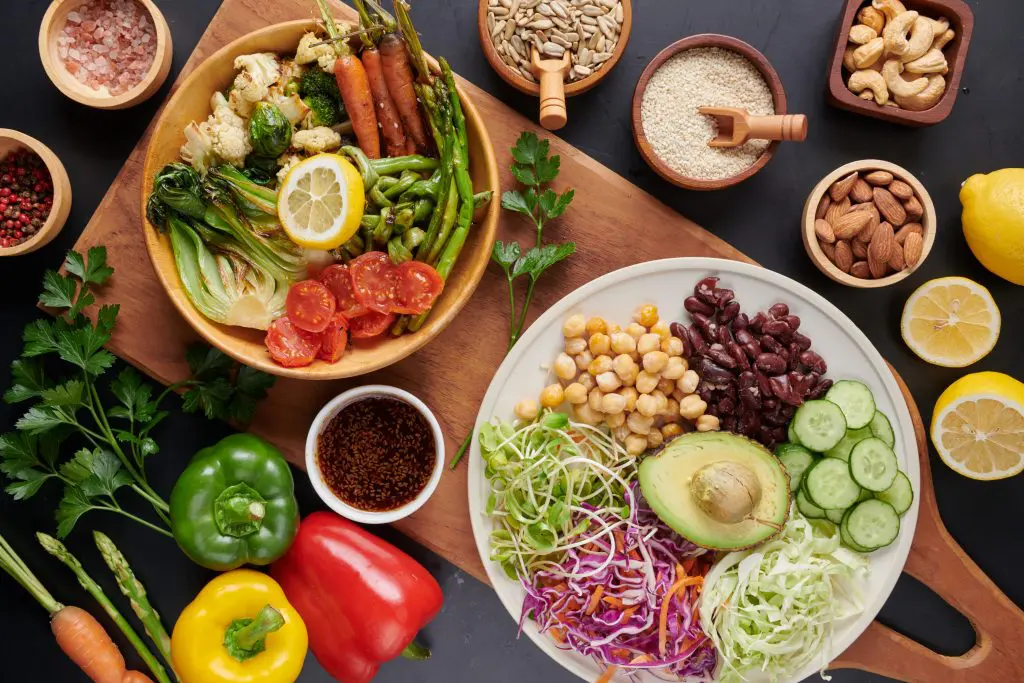
The foods we eat every day can have a significant impact on cardiovascular and nervous system health. Rather than focusing on short term diets, the best diet for high blood pressure is often built around whole, nutrient dense foods that help the body regulate stress, circulation, and inflammation more effectively. 

Foods that may support healthy blood pressure include:

Potassium-Rich Foods 

  • Avocados 
  • Bananas 
  • Leafy greens 
  • Sweet potato 

Magnesium Rich Foods 
  • Pumpkin seeds 
  • Almonds 
  • Dark leafy vegetables 

Omega 3 Rich Foods 
  • Salmon 
  • Sardines 
  • Walnuts 

High Fiber Foods 
  • Vegetables 
  • Oats 
  • Legumes 
Hydration and mineral balance also play an important role in supporting circulation and overall body function. 

At the same time, reducing ultra processed foods, excess sugar, and excessive alcohol intake may help reduce added strain on the body. A consistent high blood pressure diet focused on nourishing the body from the inside out may support better long term health naturally.


The DASH Diet: Does It Work?

One of the most commonly recommended approaches for managing high blood pressure is the DASH diet, which stands for Dietary Approaches to Stop Hypertension. This blood pressure diet focuses on whole foods such as vegetables, fruits, lean proteins, whole grains, nuts, and low fat dairy while reducing processed foods, excess sodium, and added sugars. 

Research has shown that the DASH diet may help support healthier blood pressure levels for many individuals, particularly when combined with regular movement and healthy lifestyle habits. Its emphasis on nutrient dense foods helps provide important minerals such as potassium, magnesium, and calcium that support cardiovascular function. 

However, long term health is rarely just about food alone. Stress levels, sleep quality, movement, and nervous system function may also influence how effectively the body adapts and regulates itself. This is why many people are now taking a more holistic approach when exploring how to lower blood pressure naturally and create lasting wellbeing. 


7 Day Diet Plan for High Blood Pressure

Creating healthier habits does not need to feel overwhelmed. Often, small consistent changes repeated daily can have a powerful impact on long term health, energy, and blood pressure regulation. Rather than focusing on perfection, a sustainable high blood pressure diet is about creating simple routines that support the body over time. 

A simple 7 day approach may include: 

  • Day 1: Reduce processed and ultra processed foods by focusing on more whole, natural ingredients throughout the day. 
  • Day 2: Increase hydration and mineral rich fluids to better support circulation, energy, and overall body function. 
  • Day 3: Add more vegetables to each meal to improve fibre, vitamin, and mineral intake naturally. 
  • Day 4: Prioritise quality sleep and recovery by reducing screen time and creating a calming evening routine. 
  • Day 5: Increase movement through walking or exercise to support cardiovascular health and stress regulation. 
  • Day 6: Reduce stress inputs and create downtime by stepping away from constant stimulation and allowing the body to reset. 
  • Day 7: Focus on consistency rather than extremes, as sustainable habits often create the best long term results. 
These small daily actions may seem simple individually, but over time they may help support healthier blood pressure, improved energy, better recovery, and greater overall wellbeing naturally. 


The Nervous System & Stress Connection

One of the most overlooked factors when discussing high blood pressure is the role of the nervous system and how the body responds to stress. The nervous system helps regulate heart rate, blood vessel tension, breathing patterns, and the body’s overall ability to adapt to physical, chemical, and emotional stressors. 

When the body remains in a prolonged fight or flight state, stress hormones may continue elevating tension throughout the body, increasing cardiovascular strain over time. Many people today live in a constant state of stress overload without fully realising the impact it may have on their health and wellbeing. 

This is why reducing stress is more than simply relaxing. Supporting nervous system function through movement, quality sleep, healthy lifestyle habits, mindfulness, and chiropractic care may help the body regulate and adapt more efficiently. 

At Noosa Junction Chiropractic, we focus on helping individuals support long term health by improving nervous system function and overall adaptability naturally. 


How to Lower Blood Pressure Instantly vs Long Term

Many people search for how to lower blood pressure instantly, especially during periods of stress or when readings suddenly rise. While some simple strategies may help temporarily support relaxation and reduce tension, true long-term health is usually built through consistent daily habits rather than quick fixes alone. 

Short term support strategies may include:

  • Slow deep breathing 
  • Drinking water and improving hydration 
  • Reducing caffeine and stimulants 
  • Gentle movement or walking 
  • Taking time to rest and calm the nervous system 
While these approaches may help temporarily, lasting change often comes from addressing the bigger picture. Nutrition, movement, sleep quality, stress management, and nervous system function all play important roles in how the body adapts over time. 

Rather than chasing temporary results, focusing on sustainable lifestyle habits may help create healthier blood pressure, improved resilience, and better overall wellbeing naturally.


Creating Health from the Inside Out

High blood pressure is often influenced by far more than one single factor alone. Diet, stress, movement, sleep, hydration, and nervous system function may all play important roles in how the body adapts, regulates, and maintains long term health. While there is no instant solution, small consistent lifestyle changes can create meaningful improvements over time. 

Rather than simply focusing on symptoms, many people are now taking a more holistic approach by supporting the body from the inside out. Nourishing foods, regular movement, stress regulation, quality sleep, and healthy nervous system function may all help support greater resilience, energy, and overall wellbeing naturally. 

At Noosa Junction Chiropractic, we believe the body is designed to heal and adapt when given the right environment. When the nervous system functions clearly, people are often able to experience not only better physical health, but greater vitality and connection to life overall. 

Related Articles

Lorem ipsum dolor sit amet, consectetur adipiscing elit. Ut elit tellus, luctus nec ullamcorper mattis, pulvinar dapibus leo.